


Global Leaders Clash Over AI Regulation at United Nations Summit
WorldNews Political Desk
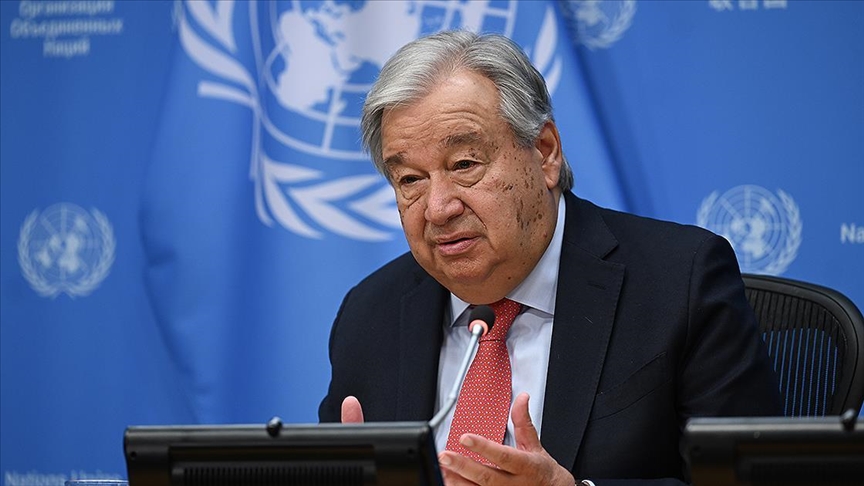
New York, USA — Tensions flared on the global stage as world leaders debated artificial intelligence (AI) regulation at the 80th United Nations General Assembly session held in New York this week. The high-stakes summit, attended by heads of state from over 190 countries, exposed deep geopolitical divisions over the future of AI, its ethical boundaries, and its potential threat to global stability.
West vs East: A Growing Divide
The United States, Germany, and France led the call for a unified global AI regulatory framework, citing concerns over the use of AI in autonomous weapons, surveillance, and political misinformation. President Michelle Reyes of the U.S. warned, “Without guardrails, AI could become the 21st-century’s most dangerous weapon.”
In contrast, China and Russia pushed back, arguing that Western powers aim to monopolize AI development and impose restrictions that could hinder technological progress in emerging nations. Russian Foreign Minister Alexei Volkov accused Western nations of “weaponizing regulation to suppress global innovation.”
AI Arms Race in Focus
A confidential report leaked before the summit revealed that at least 14 nations have begun developing autonomous AI weapons. The report stirred alarm as delegates raised the specter of an AI arms race spiraling beyond control.
India’s Prime Minister, Arvind Nayar, took a neutral but urgent stance, calling for an "AI Geneva Convention" to prevent misuse. “This is not a Western or Eastern issue — it is a human issue,” he declared.
Proposal for a Global AI Council
A coalition led by the European Union proposed the creation of a Global AI Governance Council under the UN’s wing, composed of scientists, ethicists, and technologists from diverse nations. While 68 countries supported the draft resolution, major powers like China and Russia abstained, weakening the momentum for immediate adoption.
Public Backlash and Protests
Outside the UN headquarters, hundreds of protestors from civil rights and tech activist groups gathered, chanting slogans like “Code for People, Not Power!” and demanding stronger oversight of AI surveillance used by governments worldwide.
Amnesty International issued a statement urging all governments to ban the use of AI in profiling, predictive policing, and censorship.
What’s Next?
Despite the lack of unanimous consensus, the summit marked a significant moment: the first time AI was debated as a top-level global security issue at the UN.
Analysts expect a reworked resolution to be presented at the G20 meeting in Tokyo later this year, where economic and technological interests may shape the conversation even more.
Stay updated with real-time developments in global politics — only on worldnews.brown.net.in
